Wisconsin Car Accident Checklist After Crash
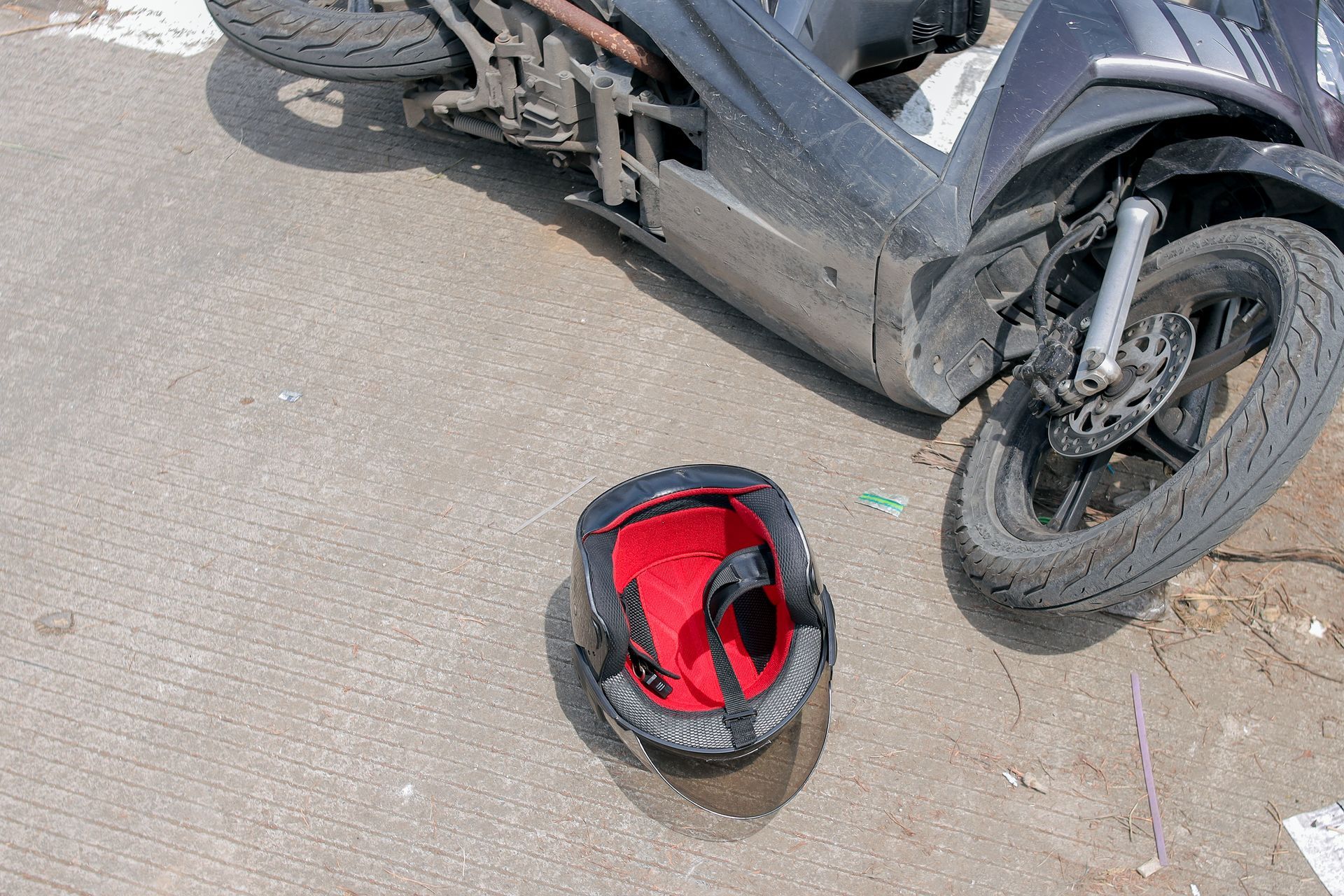
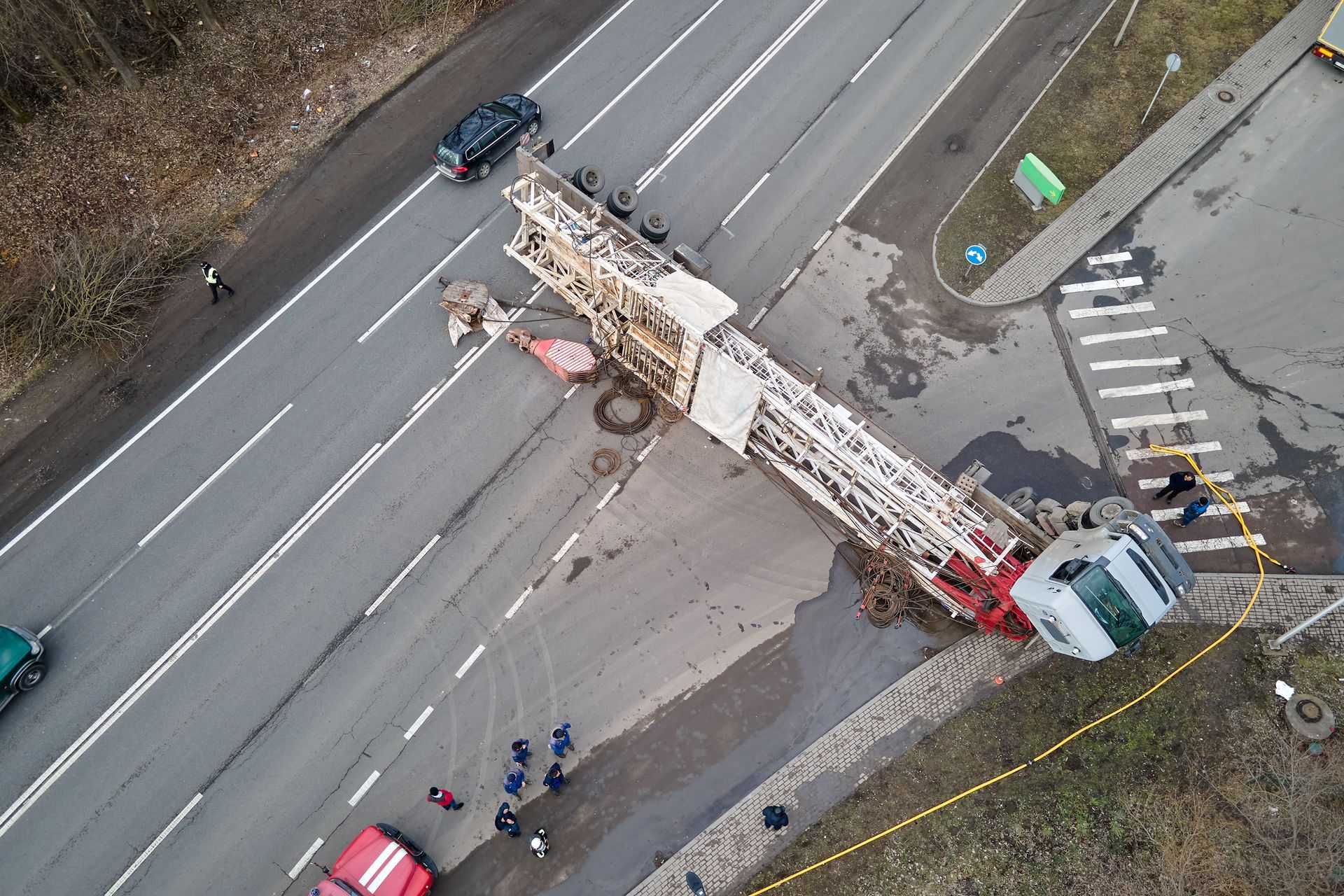
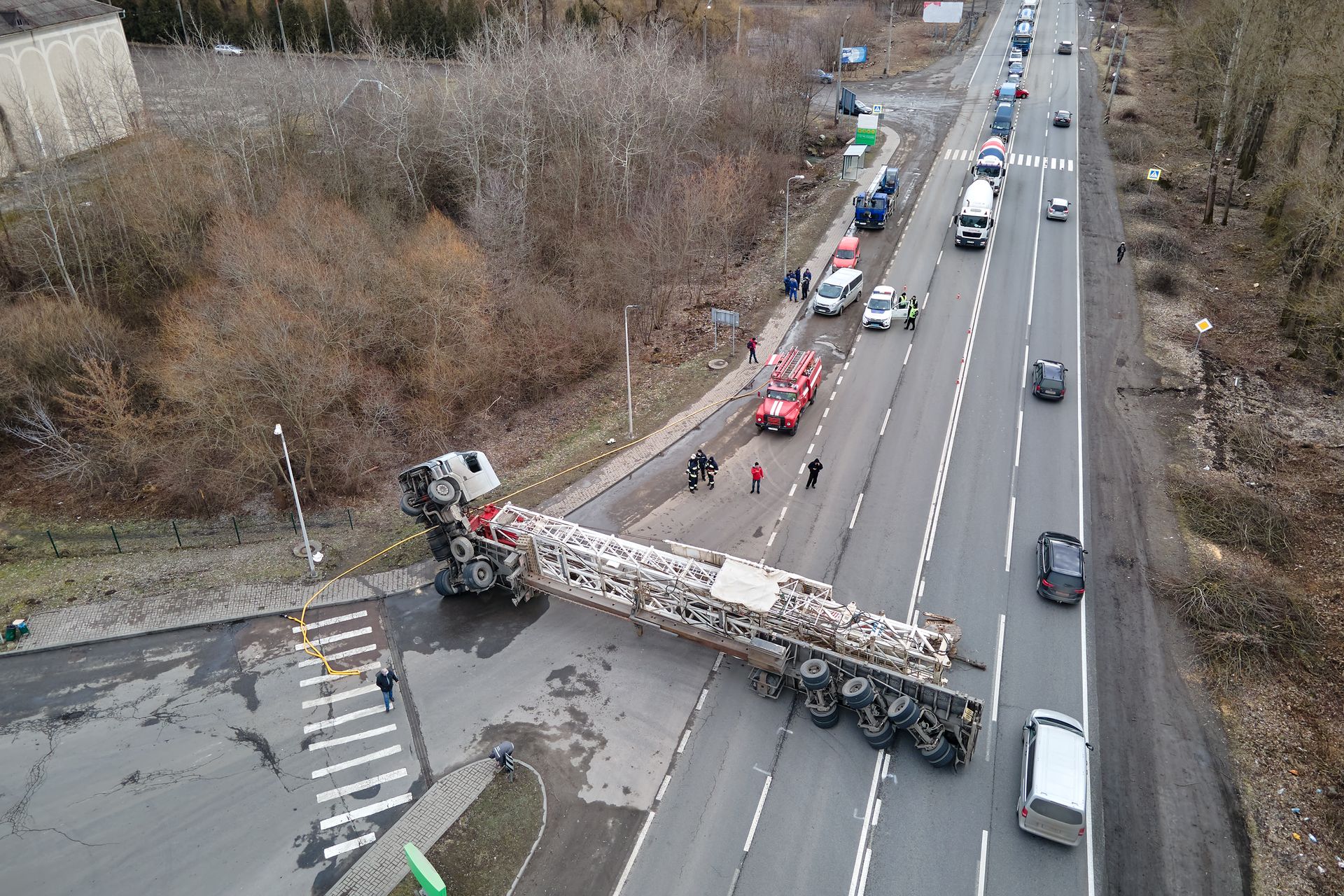
After a collision, it’s easy to feel foggy about what to do next—especially when you’re juggling safety, paperwork, and calls from insurance. This Wisconsin car accident checklist is built for drivers and passengers who want a clear, practical plan for the minutes, hours, and days after a crash. The steps below focus on protecting your health, preserving evidence, and reducing avoidable claim problems—without turning the moment into a legal trivia contest. As spring brings more cars back onto the road, having a simple checklist can help you stay calm and organized when the unexpected happens. Use this as a guide, and when something feels unclear or high-stakes, consider getting professional advice tailored to your situation in Wisconsin.
Key Points to Know First (High Priority)
- Safety and medical care come first. If anyone may be hurt, prioritize emergency help and evaluation—even if symptoms seem minor.
- Document the scene early. Photos, witness info, and basic notes are often easiest to capture right away.
- Be careful with statements. Stick to facts; avoid guessing, arguing fault, or minimizing injuries.
- Notify insurance, but don’t rush decisions. Report the crash promptly, but consider waiting to give a detailed recorded statement until you’re ready.
- Track everything. Keep a simple file of medical visits, bills, repair estimates, and time missed from work.
How the Wisconsin Car Accident Checklist Fits Together
Think of a post-crash plan as three tracks running at the same time: health , evidence , and paperwork . Your health track is about getting checked out and following medical advice. Your evidence track is about preserving what happened—photos, names, and details that can fade fast. Your paperwork track is about reporting the crash, managing repairs, and keeping records so you can explain your losses later.
Most problems we see start when one track gets ignored. For example: someone feels “fine,” skips care, and later struggles to connect symptoms to the crash; or they fix the car immediately and lose photos that would have shown impact points. A checklist helps you cover the essentials without overthinking every step.
The Real Cost of Waiting (Time, Money, and Leverage)
- Medical issues can surface later. Delayed treatment can make recovery harder and can create questions about what caused the injury.
- Evidence disappears quickly. Vehicles get repaired or totaled, skid marks fade, and witnesses become hard to reach.
- Inconsistent information causes friction. Small differences between what’s said at the scene, to police, and to insurers can complicate a claim.
- Out-of-pocket costs can pile up. Towing, rentals, prescriptions, and missed work add up fast if you don’t track them.
Common Missteps We See After a Crash
- ✓ Skipping medical evaluation because pain is “not that bad.” Some injuries (like soft-tissue or head-related symptoms) may not feel serious immediately.
- ✓ Apologizing or speculating about fault. Even polite comments can be repeated later in a way you didn’t intend.
- ✓ Not taking enough photos. Capture wide shots (positions, lanes) and close-ups (damage, debris, plates).
- ✓ Forgetting witness contact info. If someone saw what happened, get their name and a reliable phone number.
- ✓ Agreeing to a quick settlement before understanding injuries. Once a claim is resolved, it may be difficult to revisit later.
- ✓ Posting about the crash on social media. Casual updates can be misunderstood or taken out of context.
Your High-Priority Action Plan After a Collision
- ✓ Get to a safe location (if possible) and check for injuries. Call 911 if anyone is hurt or if the scene is unsafe.
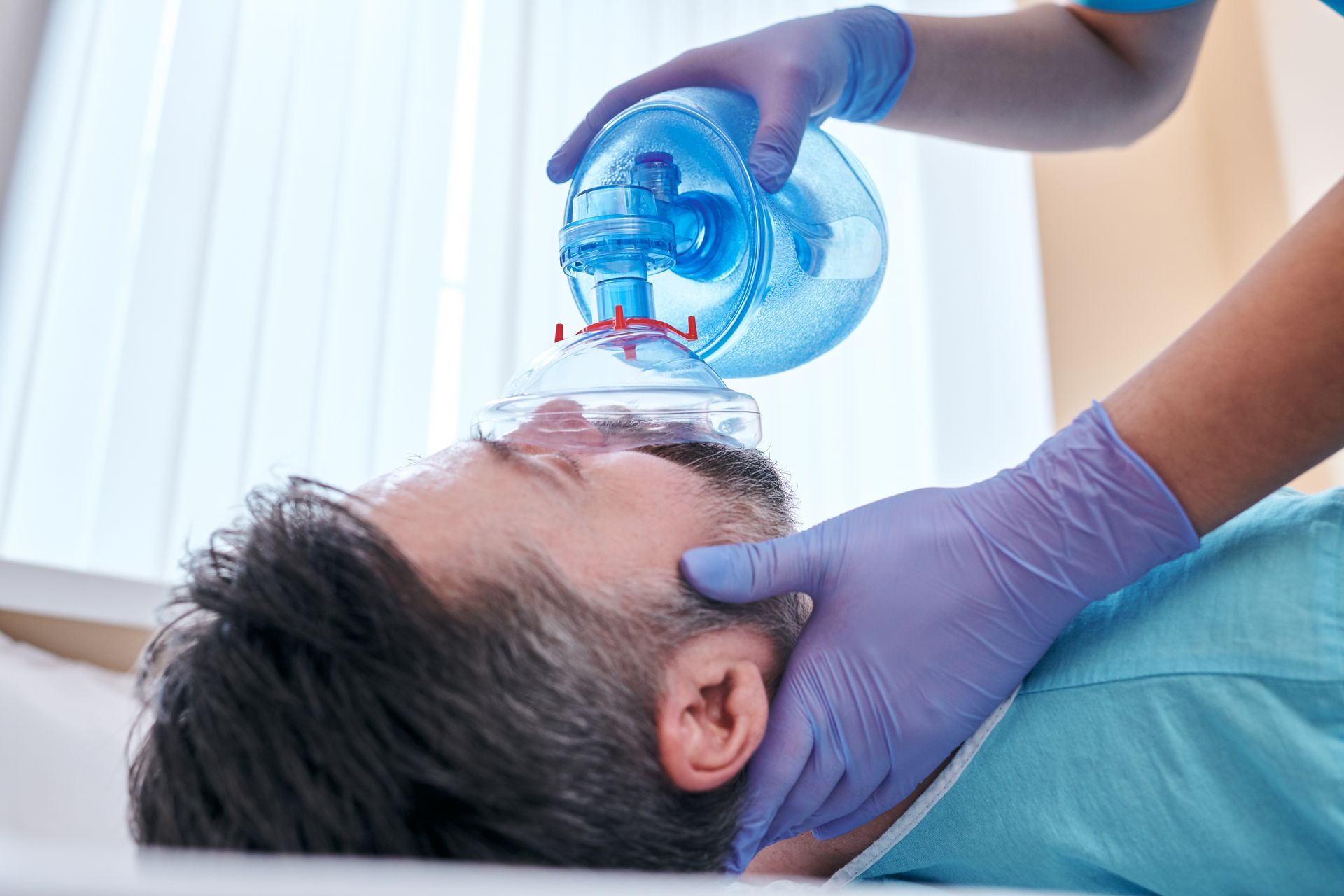
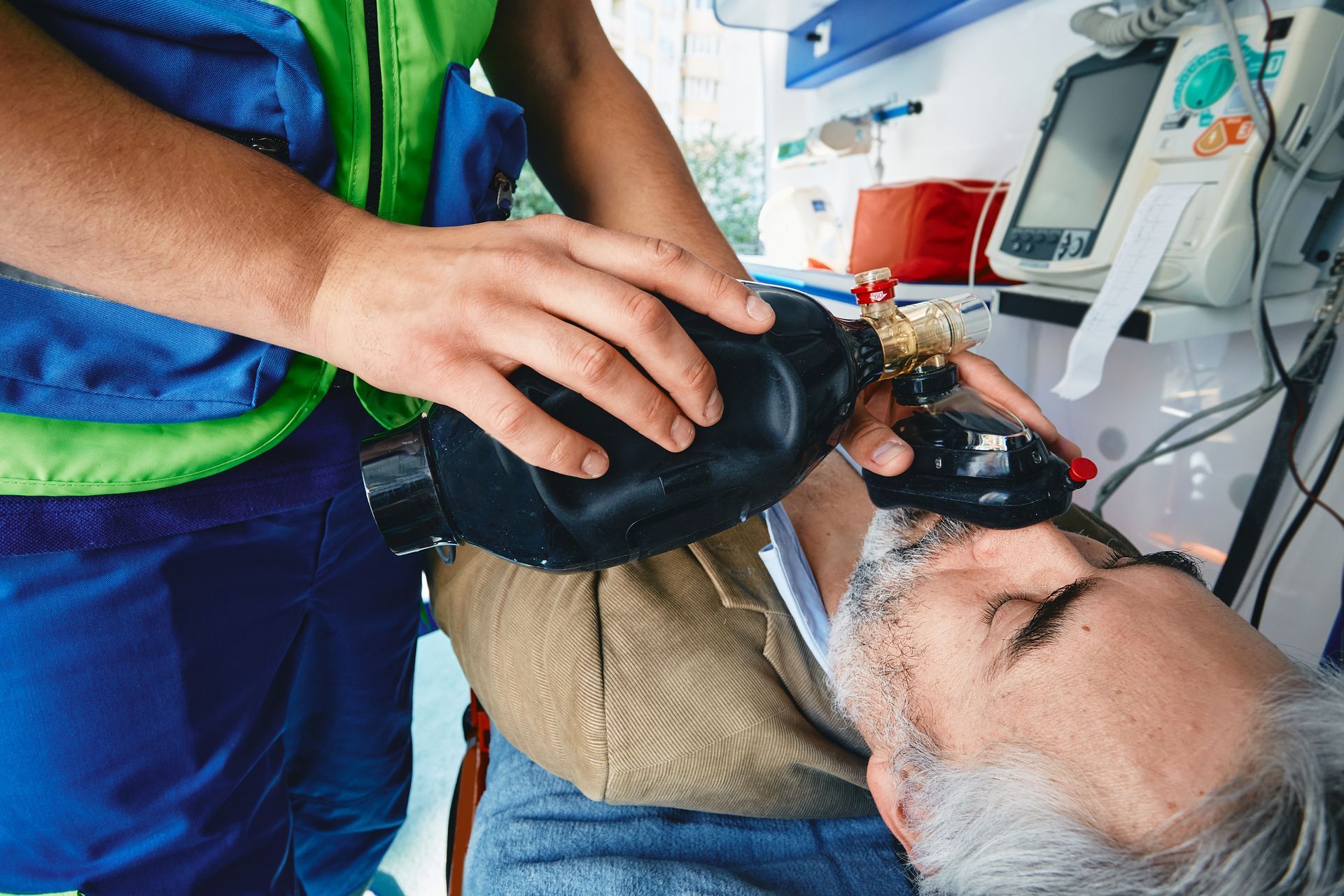
- ✓ Request medical evaluation when in doubt. If you notice dizziness, headache, confusion, numbness, or worsening pain, take it seriously.
- ✓ Exchange essential information. Names, phone numbers, driver’s license info, insurance carrier/policy details, and vehicle plate numbers.
- ✓ Photograph and video the scene. Include vehicle positions, damage angles, road conditions, traffic signals/signs, and any visible injuries.
- ✓ Collect witness details. Ask what they saw and write down a brief summary in your own words.
- ✓ Write a quick timeline note. Time, location, direction of travel, weather/lighting, and what happened right before impact.
- ✓ Keep crash-related receipts and records in one place. Towing, rental, repairs, prescriptions, medical visits, and mileage to appointments.
- ✓ Notify your insurer promptly. Provide basic facts; if you’re unsure about a recorded statement, ask what’s required and when.
- ✓ Follow medical instructions and track symptoms daily. A simple notes app log can help you communicate clearly with providers.
Professional Insight: What Most People Miss
In practice, we often see that the smallest early details —a clear set of photos before the vehicles move, a neutral written timeline, and consistent medical follow-up—do more to prevent later disputes than any single “perfect” conversation with an insurance adjuster. It’s less about saying the right thing and more about creating a clean record while the facts are still fresh.
When DIY Isn’t Enough: Signs You Should Get Legal Help
- Injuries are more than minor, or symptoms are worsening. Especially headaches, neck/back pain, numbness, or cognitive changes.
- Fault is disputed. If the other driver (or insurer) claims you caused the crash or shares blame without clear support.
- You’re pressured to give a recorded statement or accept a quick payout. It’s reasonable to want time to understand your situation.
- There are multiple vehicles, a commercial driver, or unclear insurance coverage. More parties often means more complexity.
- You’re missing work or facing significant bills. When losses grow, documentation and strategy matter more.
Your Questions, Answered
What information should I exchange at the scene?
Get names, phone numbers, driver’s license details, insurance information, and license plate numbers. If there are witnesses, collect their contact information too.
Should I talk to the other driver’s insurance company?
You can confirm basic facts, but be cautious about detailed or recorded statements if you’re still sorting out injuries or key details. It’s often wise to get advice before giving a formal statement.
What if I don’t feel hurt until the next day?
That’s common. Seek medical evaluation and document when symptoms began and how they change. Prompt care can support both your health and your records.
How many photos should I take after a crash?
More is usually better: wide shots of the overall scene, multiple angles of each vehicle, close-ups of damage, road markings, and any relevant signs or signals.
Is it a problem if I said something like “I’m fine” at the scene?
Not necessarily, but it can create confusion later if symptoms develop. If you later feel pain or other issues, seek care and be consistent and factual when describing what changed.
Taking Action After a Crash
A crash can turn a normal day into a paperwork-and-pain headache in minutes. If you follow a clear checklist—prioritizing safety, documenting the scene, and keeping organized records—you put yourself in a stronger position to recover physically and handle the claim process. When injuries are serious, facts are disputed, or the process starts feeling adversarial, getting guidance can help you avoid expensive missteps. If you want to talk through your options, we’re here to help.
Want More Information?
Download our free resource to learn more about this topic.